book recommendations
If The Mom Test Changed How You Talk to Users, Read These Next
Seven short, blunt product books for people who loved The Mom Test — customer interviews, discovery, and behavior, with no filler.
book recommendations
Seven short, blunt product books for people who loved The Mom Test — customer interviews, discovery, and behavior, with no filler.
product-psychology
The books that explain why users behave the way they do — not process, not frameworks. Kahneman, Ariely, Cialdini, Norman, and the rest, with a quote and an honest drawback for each.
product theory
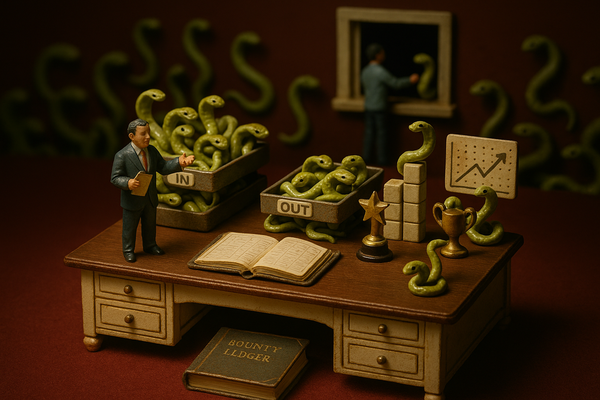
Every incentive creates a game. The Cobra Effect is what happens when it's not the game you wanted—and why your best-looking metric might be the one breeding snakes.
product theory
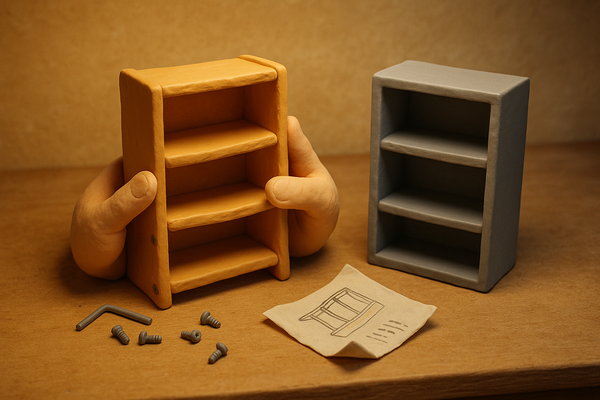
People value what they build far beyond its objective worth. The best products don't just get used — they get built on. Here's how to design for it.

product theory
People don't stay in bad situations because they can't see better options. They stay because their brain protects the known from the threat of the unknown.

conways-law
The seams in your product are copies of the seams in your org chart. That's not a metaphor — it's Conway's Law, and it predicts what your app feels like to use.

mental models
Most product decisions go wrong for reasons that already have names. Here are 12 mental models — what each one is, a concrete product example, and when it quietly lies to you.
pricing
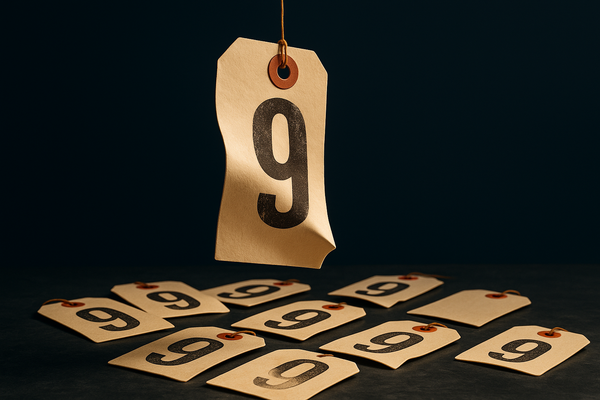
Everyone knows the $9.99 trick. Everyone still falls for it. Here's why the last digit of your price is a positioning decision, not a math one.
jobs-to-be-done
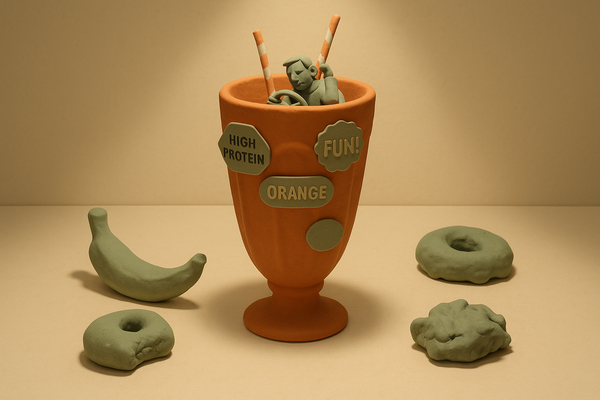
A fast-food chain couldn't sell more milkshakes—until they stopped studying the milkshake and started watching who bought it, and when. That's Jobs to Be Done.

product theory
The medium popcorn was never meant to sell. It was meant to sell the large. Meet the decoy effect—and why it lives on your pricing page.
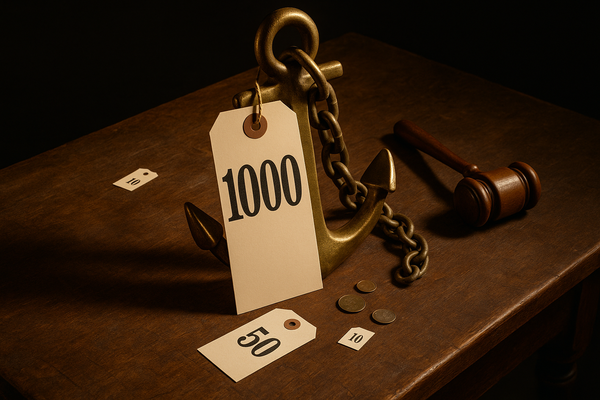
anchoring
A real estate agent shows you an $800,000 house you don't love. The next one is $650,000, and suddenly it's a steal. You're not judging the house. You're judging the first number that entered your head.
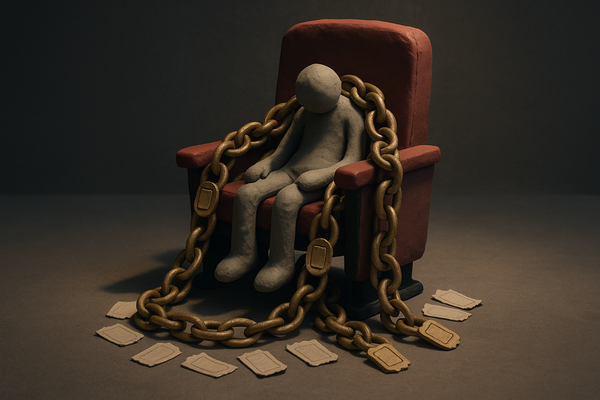
product theory
Past investment shouldn't influence future decisions, but it always does. How the sunk cost fallacy retains your users — and why the retention it buys you might be a prison, not a product.