ai
The Best Books on AI and the Future of Work
The strongest books on AI and jobs, organized by the real questions: does automation destroy work on net, what happens to the displaced, who captures the gains, and what to do about it.
ai
The strongest books on AI and jobs, organized by the real questions: does automation destroy work on net, what happens to the displaced, who captures the gains, and what to do about it.
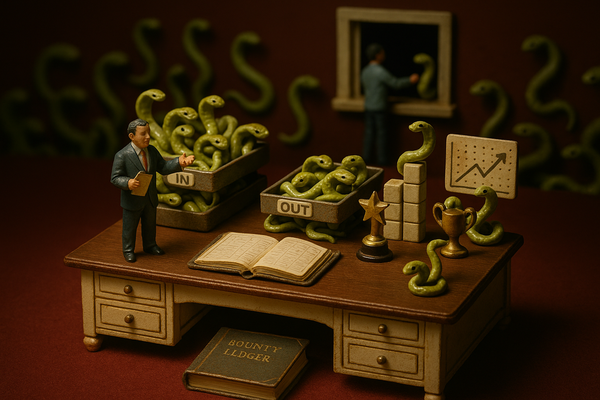
product theory
Every incentive creates a game. The Cobra Effect is what happens when it's not the game you wanted—and why your best-looking metric might be the one breeding snakes.
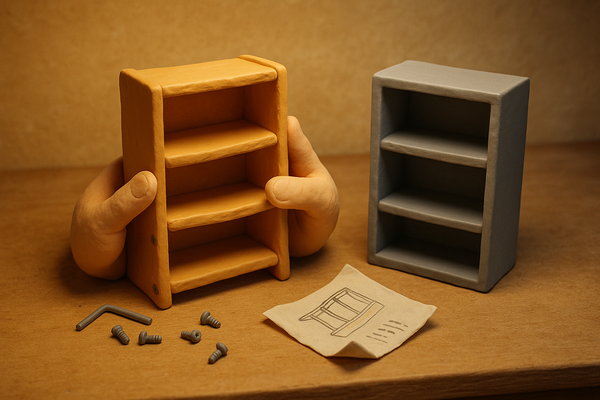
product theory
People value what they build far beyond its objective worth. The best products don't just get used — they get built on. Here's how to design for it.
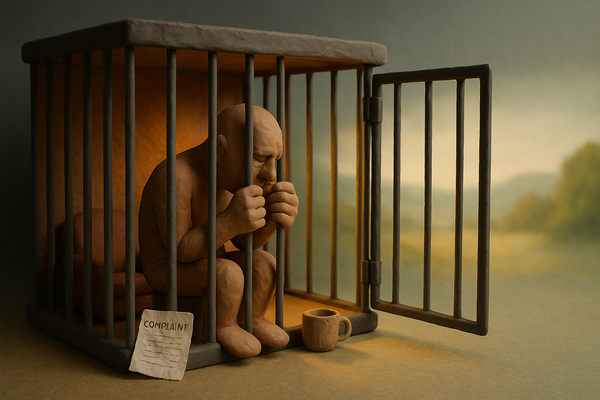
product theory
People don't stay in bad situations because they can't see better options. They stay because their brain protects the known from the threat of the unknown.

mental models
Most product decisions go wrong for reasons that already have names. Here are 12 mental models — what each one is, a concrete product example, and when it quietly lies to you.

product theory
The medium popcorn was never meant to sell. It was meant to sell the large. Meet the decoy effect—and why it lives on your pricing page.
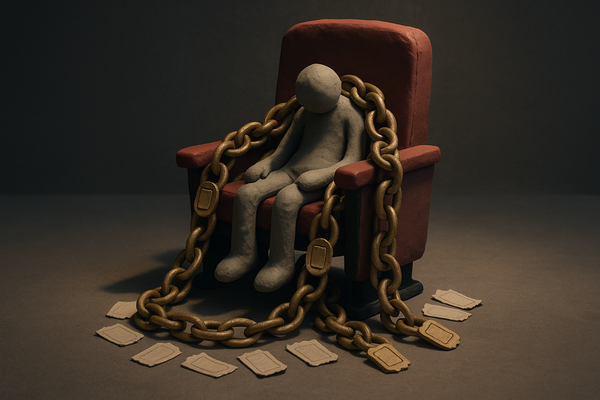
product theory
Past investment shouldn't influence future decisions, but it always does. How the sunk cost fallacy retains your users — and why the retention it buys you might be a prison, not a product.
product theory
Every chapter in Product Theory — the mental models behind how users price, choose, stay, and churn. Read the free essays or get the book.
pricing psychology
Price isn't a number. It's a story people tell themselves about what something is worth. Here are seven rules — anchoring, decoys, charm pricing, mental accounting — that quietly decide what people buy.

product theory
The more useful something is, the harder we scrutinize its price. Why we under-invest in essentials, over-invest in indulgences, and how great products flip the switch.

product theory
DAU up. Churn down. Everyone nods. Meanwhile a user is quietly switching to a competitor. That gap has a name — Metric Theater — and it's killing your product.