product-psychology
The Best Books on Product Psychology
The books that explain why users behave the way they do — not process, not frameworks. Kahneman, Ariely, Cialdini, Norman, and the rest, with a quote and an honest drawback for each.
product-psychology
The books that explain why users behave the way they do — not process, not frameworks. Kahneman, Ariely, Cialdini, Norman, and the rest, with a quote and an honest drawback for each.
books like the alchemist
Eight short, parable-shaped books that give you the same feeling as The Alchemist — a life lesson that arrives as a story, not a sermon.
product theory
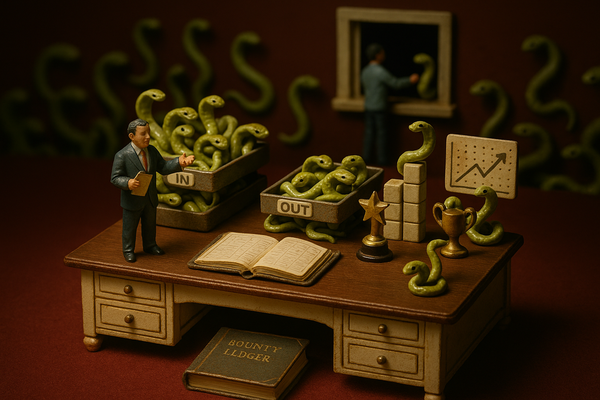
Every incentive creates a game. The Cobra Effect is what happens when it's not the game you wanted—and why your best-looking metric might be the one breeding snakes.
product theory
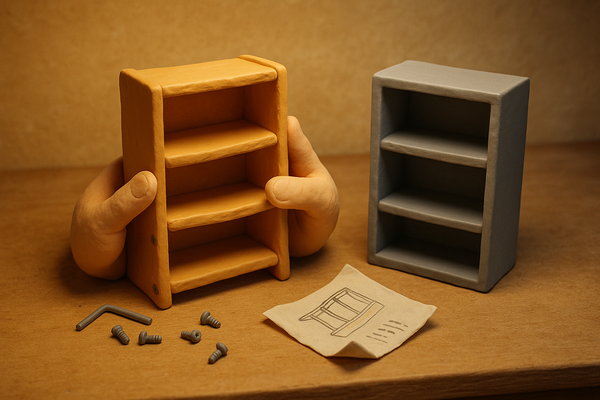
People value what they build far beyond its objective worth. The best products don't just get used — they get built on. Here's how to design for it.

wisdom
A distinguished professor watched a Zen master pour tea until it spilled across the floor. The lesson still lands: you can't fill a cup that's already full.
product theory
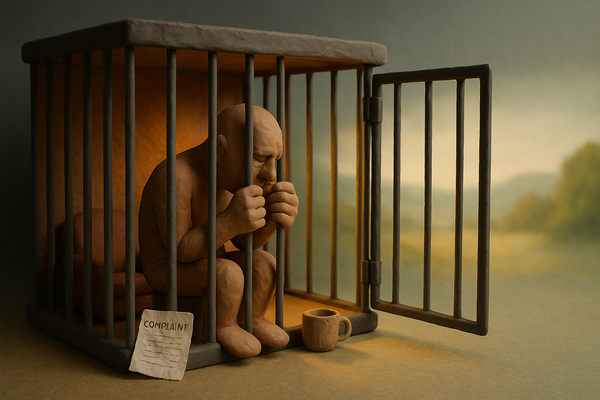
People don't stay in bad situations because they can't see better options. They stay because their brain protects the known from the threat of the unknown.
conways-law
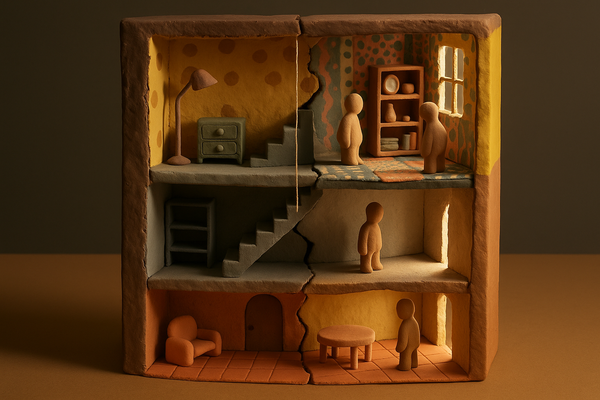
The seams in your product are copies of the seams in your org chart. That's not a metaphor — it's Conway's Law, and it predicts what your app feels like to use.

words
Three old stories about choosing well: the crossroads, the strawberry on the cliff, and the woman carried across the mud. What they teach about the moment of decision.
mental models
Most product decisions go wrong for reasons that already have names. Here are 12 mental models — what each one is, a concrete product example, and when it quietly lies to you.
pricing
Everyone knows the $9.99 trick. Everyone still falls for it. Here's why the last digit of your price is a positioning decision, not a math one.
wisdom
Being stuck and going nowhere are not the same thing. Three old stories about the difference — and what to do when you can't see your own progress.
jobs-to-be-done
A fast-food chain couldn't sell more milkshakes—until they stopped studying the milkshake and started watching who bought it, and when. That's Jobs to Be Done.